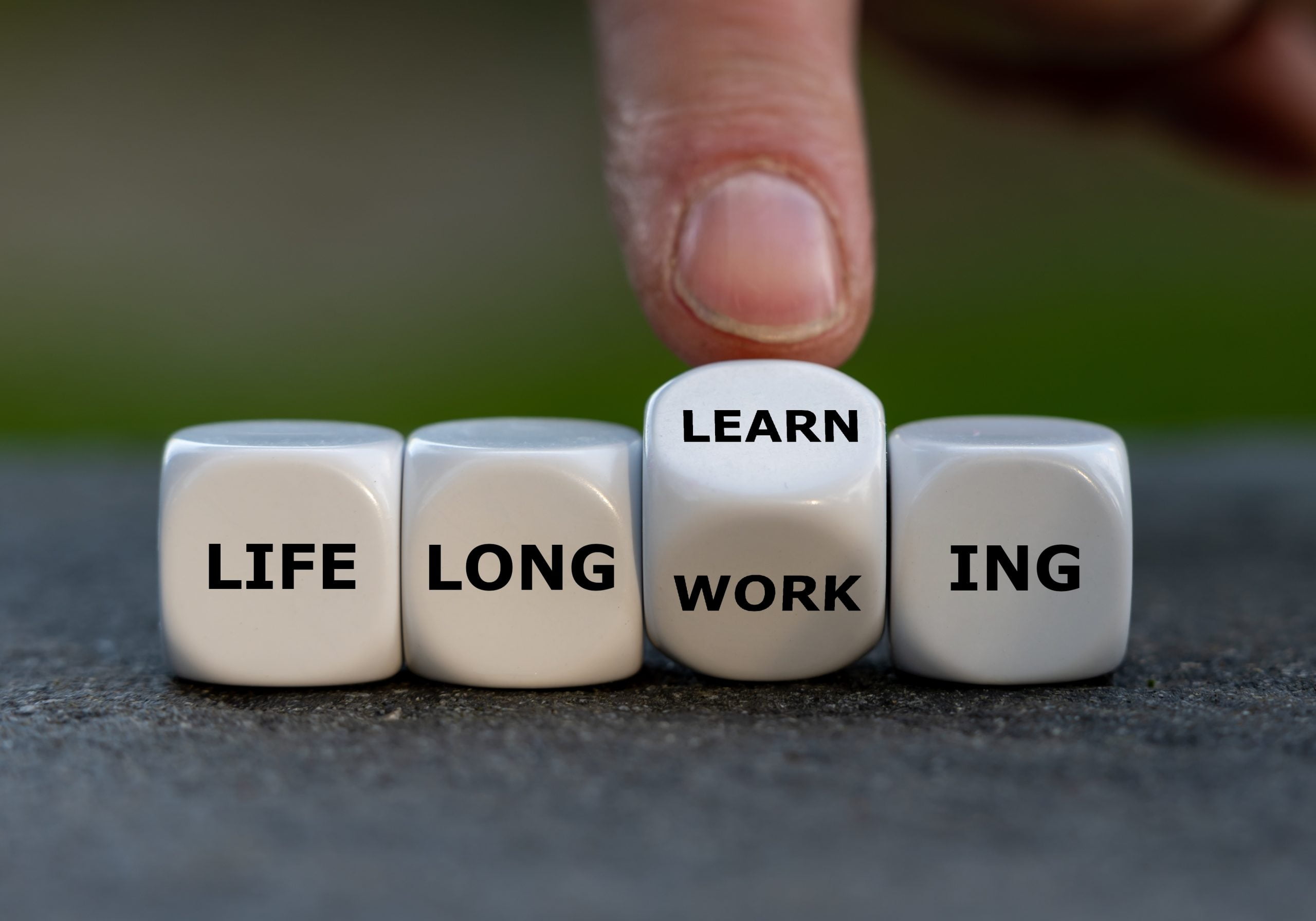
In a world where industries shift overnight and skills become outdated within years—not decades—lifelong learning is no longer optional. Whether you’re a marketer, software developer, nonprofit leader, or entrepreneur, staying competitive means continuously evolving your knowledge and skills. But when it comes to ongoing education, professionals often face a critical question: Should I go back to school—or should I teach myself online? The answer isn’t always clear-cut. Both paths offer unique advantages—and limitations.
The Case for Formal Education
Pros:
Structured learning environments, credentialed instructors, and recognized certifications can be incredibly valuable, especially in industries where credibility and accreditation matter. Formal programs—whether it’s an MBA, certificate course, or specialized diploma—offer peer learning, networking opportunities, and access to academic resources that are difficult to replicate independently. For those looking to pivot careers, deepen their strategic thinking, or position themselves for leadership roles, a well-chosen program can open doors that self-learning might not.
Cons:
However, formal education comes at a cost—both in terms of time and money. Programs can be expensive and often require months or years of commitment, which might not align with the speed at which certain industries evolve. Additionally, traditional curriculums can sometimes lag behind real-world application, especially in fields like digital marketing, AI, or SaaS product development. And not all degrees or certificates carry equal weight in the job market, particularly if they’re not paired with practical experience.
The Case for Online Self-Learning
Pros:
Online learning offers flexibility, affordability, and immediate relevance. Platforms like Coursera, LinkedIn Learning, and MasterClass, along with industry-specific resources and communities, allow professionals to build skills quickly and on their own schedule. You can learn from top practitioners, apply insights immediately to your work, and continually adapt your learning path based on your goals and emerging trends. For fast-moving industries—like tech, marketing, and design—online learning often provides the most current and practical content available.
Cons:
That said, self-learning requires a high level of discipline and curation. Without structure, it’s easy to get lost in a sea of content or fail to complete courses. There’s also the credibility gap—many online certificates aren’t widely recognized, and unless you can demonstrate your skills through a portfolio or measurable outcomes, they may not hold much weight with employers. You also miss out on the peer interaction, mentorship, and feedback loops that are often baked into formal programs.
So, Which Is Better?
The truth is, the best path depends on your goals. If you’re looking to switch industries, pursue a senior leadership role, or need a credential to unlock new opportunities, formal education might make sense. But if you want to level up your skills quickly, stay ahead of trends, or supplement your experience, self-directed online learning could be the more agile—and cost-effective—option.
At Fractio Marketing, we believe the future belongs to the blended learner: someone who knows when to seek formal education for structure and depth, and when to lean into self-guided learning for speed and relevance. In today’s economy, it’s not just about how much you know—it’s about how quickly and effectively you can learn, unlearn, and adapt.

